As Trimmers and Edgers take the spotlight, immerse yourself in a world of knowledge that promises to enhance your yard maintenance experience with simplicity and expertise.
From understanding the differences between trimmers and edgers to exploring maintenance tips and safety precautions, this comprehensive guide covers it all.
Trimmers and Edgers
When it comes to maintaining a well-manicured lawn, having the right tools is essential. Trimmers and edgers are two common tools used to keep the edges of your lawn looking neat and tidy. While they may seem similar, there are key differences between trimmers and edgers that make each tool suitable for different tasks.
Types of Trimmers and Edgers
There are several types of trimmers and edgers available in the market, each designed for specific purposes. Here are some common types:
- String Trimmers: Also known as weed eaters, string trimmers use a spinning nylon string to cut grass and weeds in hard-to-reach areas.
- Gas-Powered Edgers: These edgers are powered by gas and provide more power for cutting through tough grass and creating clean edges.
- Electric Trimmers: Electric trimmers are lightweight and easy to use, making them ideal for small to medium-sized lawns.
- Manual Edgers: Manual edgers require physical effort to use, but they are environmentally friendly and do not produce emissions.
Key Features to Consider
When choosing a trimmer or edger, there are several key features to consider to ensure you select the right tool for your needs:
- Power Source: Decide whether you prefer a gas-powered, electric, or manual tool based on your lawn size and personal preferences.
- Cutting Width: Consider the cutting width of the trimmer or edger to determine how much area it can cover in one pass.
- Adjustable Height: Look for a tool with adjustable height settings to customize the cutting depth according to your lawn’s requirements.
- Blade Type: Different trimmers and edgers come with various blade types, such as nylon strings or metal blades, each suitable for specific tasks.
- Weight and Ergonomics: Choose a tool that is comfortable to handle and lightweight to reduce fatigue during prolonged use.
Uses of Trimmers and Edgers
Trimmers and edgers are essential tools in yard maintenance, helping to create clean and polished edges, trim overgrown grass, and maintain a well-manicured lawn. These versatile tools have a variety of uses that contribute to the overall appearance and health of a yard.
Common Applications of Trimmers and Edgers
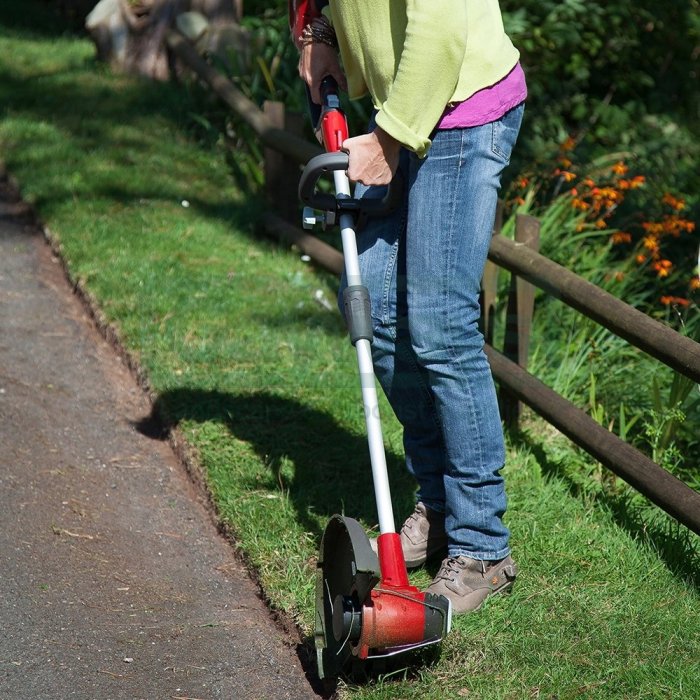
- Trimming grass along fences, walls, and other obstacles: Trimmers can easily reach tight spaces and corners that lawnmowers cannot, ensuring a uniform and neat appearance.
- Edging flower beds and walkways: Edgers create crisp lines along flower beds and walkways, defining the borders and enhancing the overall look of the yard.
- Cutting grass along driveways and sidewalks: Trimmers and edgers help maintain a clean and tidy edge along driveways and sidewalks, preventing grass from encroaching onto these areas.
Enhancing the Appearance of a Yard with Trimmers and Edgers
- Creating a professional and well-maintained look: By using trimmers and edgers to clean up edges and borders, the yard looks more manicured and aesthetically pleasing.
- Improving curb appeal: Neatly trimmed edges and defined borders make a yard look more inviting and attractive, increasing the overall curb appeal of the property.
- Highlighting landscaping features: Trimmers and edgers can be used to accentuate landscaping features such as flower beds, shrubs, and trees, drawing attention to these elements in the yard.
Contribution to a Well-Manicured Lawn
- Maintaining a uniform grass length: Trimmers ensure that grass is cut to a consistent height, contributing to a well-manicured lawn that looks neat and organized.
- Preventing overgrowth: Regular trimming with edgers helps prevent grass and weeds from overgrowing, keeping the yard looking tidy and well-maintained.
- Enhancing overall lawn health: By maintaining clean edges and borders, trimmers and edgers promote better air circulation and sunlight exposure, contributing to the health and vitality of the lawn.
Maintenance Tips
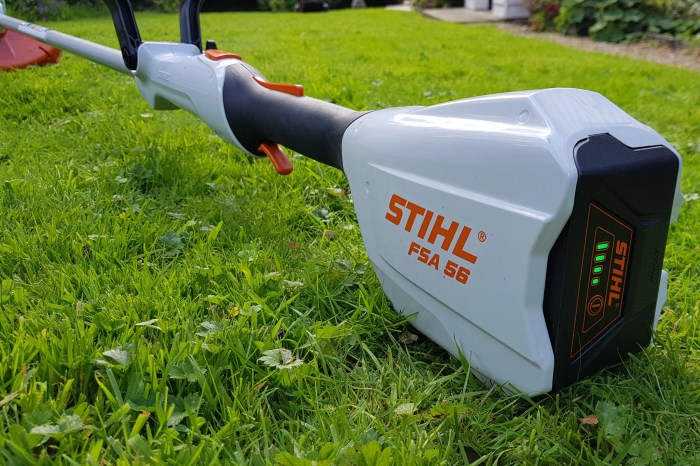
Proper maintenance is essential to ensure the longevity and optimal performance of your trimmers and edgers. By following these maintenance tips, you can keep your tools in good condition for years to come.
Cleaning and Storage
- After each use, make sure to clean the trimmer or edger to remove any grass, dirt, or debris that may have accumulated.
- Use a brush or cloth to wipe down the exterior of the tool, and a small brush or compressed air to clean hard-to-reach areas.
- Store your trimmer or edger in a dry, cool place to prevent rusting or corrosion. Avoid storing them in damp or humid areas.
- Consider using a protective cover or case to shield the tool from dust and moisture when not in use.
Blade Sharpening and Oiling
- Regularly inspect the blades of your trimmer or edger for signs of wear or dullness. Sharpen the blades as needed to maintain cutting efficiency.
- Follow the manufacturer’s guidelines for blade sharpening, or consider taking the tool to a professional for sharpening.
- Apply a few drops of oil to the blades and moving parts of the trimmer or edger to reduce friction and keep them lubricated.
- Check the oil levels regularly and top up as needed to ensure smooth operation of the tool.
Safety Precautions
When operating trimmers and edgers, it is crucial to prioritize safety to prevent accidents and injuries. By following proper safety measures and using protective gear, you can ensure a safe and efficient trimming experience.
Safety Measures
- Read the manufacturer’s instructions carefully before using the trimmer or edger to understand its specific safety guidelines.
- Inspect the equipment before each use to ensure it is in good working condition, with no loose parts or damage.
- Clear the work area of any obstacles, such as rocks, branches, or debris, to avoid tripping hazards.
- Avoid operating the trimmer or edger in wet or slippery conditions to prevent accidents.
- Keep a safe distance from bystanders while using the equipment to avoid any potential harm.
Common Safety Hazards
- Sharp blades or cutting edges can cause lacerations or injuries if not handled properly.
- Flying debris such as rocks or sticks can pose a risk to the operator and others nearby if not controlled.
- Electric trimmers or edgers can cause electric shocks if used improperly or in wet conditions.
- Exposure to loud noise levels from the equipment can lead to hearing damage if ear protection is not worn.
- Improper lifting techniques when carrying the equipment can result in strains or muscle injuries.
Protective Gear Tips
- Always wear safety goggles to protect your eyes from flying debris while operating the trimmer or edger.
- Use ear protection, such as earplugs or earmuffs, to reduce exposure to loud noise levels from the equipment.
- Wear sturdy, non-slip footwear to maintain stability and prevent slips or falls while using the trimmer or edger.
- Consider wearing gloves to protect your hands from cuts or blisters caused by handling the equipment.
- Use long pants and long sleeves to protect your skin from contact with sharp blades or hot surfaces on the equipment.
Yard Equipment
When it comes to maintaining a beautiful and well-kept yard, having the right tools is essential. Trimmers and edgers play a crucial role in keeping your lawn looking neat and tidy, but they are just one piece of the puzzle when it comes to yard equipment.
It’s important to consider how trimmers and edgers can complement other yard tools like lawnmowers and leaf blowers to create a comprehensive yard equipment toolkit. Each tool serves a specific purpose and when used together, they can make yard maintenance more efficient and effective.
Complementing Tools
- Lawnmowers: While lawnmowers are great for cutting the grass, trimmers and edgers help to reach areas that the lawnmower can’t reach, such as along fences, around trees, and along edges of flower beds.
- Leaf Blowers: After trimming and edging, leaf blowers can be used to clean up any grass clippings or debris left behind, giving your yard a clean and polished look.
Creating a Toolkit
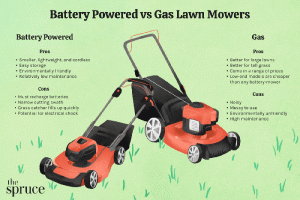
- Trimmers: Choose between gas, electric, or battery-powered trimmers based on the size of your yard and your personal preference.
- Edgers: Consider whether a manual or powered edger would be more suitable for creating crisp edges along sidewalks and driveways.
- Lawnmowers: Select a lawnmower that suits the size and terrain of your yard, whether it’s a push mower, self-propelled mower, or riding mower.
- Leaf Blowers: Opt for a leaf blower that fits your needs, whether it’s a handheld, backpack, or walk-behind model.
Last Word
Embrace the power of precision with Trimmers and Edgers, elevating your yard maintenance routine to new heights of efficiency and aesthetics.
Essential Questionnaire
What is the difference between trimmers and edgers?
Trimmers are used to cut grass and weeds in tight spaces, while edgers are designed to create clean edges along driveways and sidewalks.
How do trimmers and edgers contribute to a well-manicured lawn?
By providing precise cuts and defined edges, trimmers and edgers help in achieving a neat and polished look for your lawn.
What are some safety measures to follow when using trimmers and edgers?
Always wear protective gear, avoid using near children or pets, and be cautious of debris being thrown while operating trimmers and edgers.