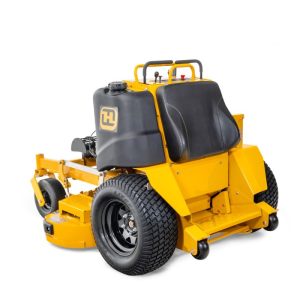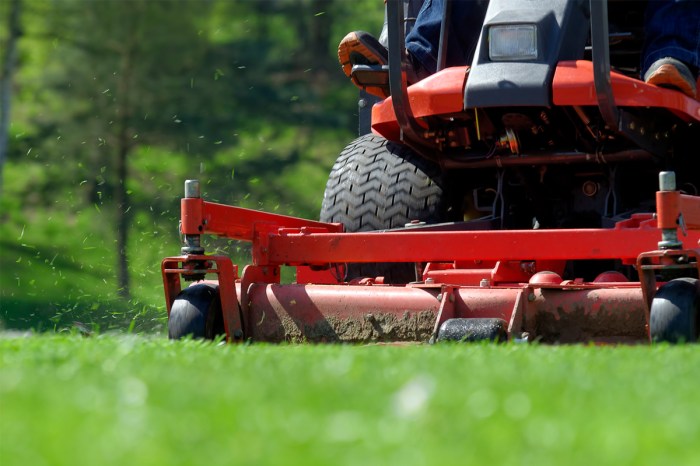
Embark on a journey to discover the best yard equipment for lawn care, where each tool plays a vital role in nurturing a lush and vibrant garden.
From mowers to trimmers, explore the world of lawn care essentials and unleash the secrets to a beautifully manicured lawn.
YARD EQUIPMENT
When it comes to maintaining a healthy lawn, having the right yard equipment is essential. Without the proper tools, it can be challenging to keep your lawn looking neat and well-kept. Investing in high-quality yard equipment can make all the difference in the health and appearance of your lawn.
Essential Yard Equipment for Lawn Care
- Lawn Mower: A good quality lawn mower is crucial for keeping your grass trimmed to the right height.
- String Trimmer: Perfect for reaching areas that your lawn mower can’t, like around trees, fences, and flower beds.
- Rake: Ideal for removing leaves, debris, and thatch from your lawn to promote healthy growth.
- Pruning Shears: Necessary for trimming bushes, shrubs, and small branches to maintain a tidy landscape.
Importance of High-Quality Yard Equipment
Having the right yard equipment not only makes lawn care tasks easier but also ensures that they are done effectively. High-quality tools are more durable, provide better results, and can save you time and effort in the long run. Investing in good yard equipment is an investment in the health and beauty of your lawn.
Tips for Choosing High-Quality Yard Equipment
- Research Brands: Look for reputable brands known for their quality and durability.
- Read Reviews: Check online reviews from other customers to get an idea of the performance of the equipment.
- Consider Your Needs: Choose equipment that is suitable for the size and type of your lawn.
- Inspect Before Buying: Make sure to inspect the equipment in person to ensure it is well-built and in good condition.
LAWN MOWERS
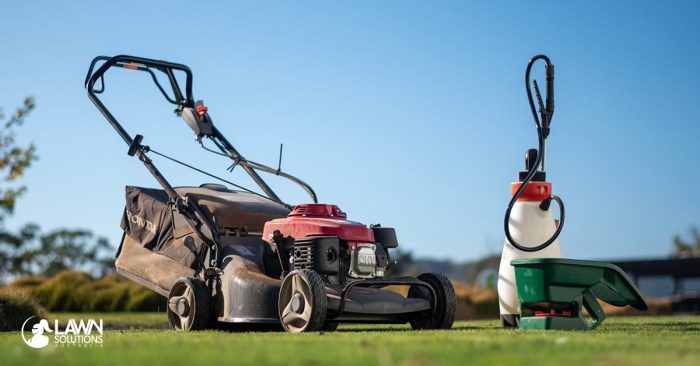
When it comes to maintaining a beautiful lawn, choosing the right lawn mower is crucial. Let’s explore the different types of lawn mowers and their maintenance tips to keep your yard looking pristine.
Types of Lawn Mowers
There are various types of lawn mowers available in the market, each suitable for different lawn sizes and terrain. Here are some common types:
- Manual Lawn Mowers: Perfect for small lawns, these mowers are eco-friendly and quiet but require physical effort to operate.
- Gas-Powered Lawn Mowers: Ideal for medium to large lawns, these mowers are powerful and can handle tough grass, but they are noisy and emit pollutants.
- Electric Lawn Mowers: Great for small to medium-sized lawns, these mowers are quieter, lightweight, and eco-friendly, but they require a power source.
Comparison of Lawn Mower Types
Let’s compare manual, gas-powered, and electric lawn mowers in terms of efficiency and environmental impact:
| Lawn Mower Type | Efficiency | Environmental Impact |
|---|---|---|
| Manual | Low | High (Eco-friendly) |
| Gas-Powered | High | High (Pollutant emissions) |
| Electric | Medium | Low (Eco-friendly) |
Maintenance Tips for Lawn Mowers
Proper maintenance is key to ensuring the longevity and optimal performance of your lawn mower. Here are some essential maintenance tips:
- Regularly sharpen the blades to ensure a clean cut and prevent tearing of grass.
- Clean the undercarriage after each use to prevent grass buildup and corrosion.
- Check and replace the air filter, spark plug, and oil as recommended by the manufacturer.
- Store your lawn mower in a dry place and protect it from the elements to prevent rust and damage.
TRIMMERS AND EDGERS
Trimmers and edgers play a crucial role in maintaining a well-groomed lawn, complementing the work of lawn mowers by providing precision and detail in hard-to-reach areas.
String trimmers, also known as weed eaters or weed whackers, are versatile tools that use a rotating nylon string to cut grass and weeds in tight spaces, along fences, and around obstacles. On the other hand, lawn edgers are designed specifically to create clean, sharp edges along sidewalks, driveways, and garden beds, giving the lawn a polished look.
Differences between String Trimmers and Lawn Edgers
- String Trimmers: Ideal for trimming grass and weeds in tight areas, around trees, and along fences. They are versatile and can be used for both trimming and edging.
- Lawn Edgers: Specifically designed to create defined edges along pavements, driveways, and flower beds. They provide a clean and professional finish to the lawn.
Proper Use of Trimmers and Edgers
- Adjust the height of the trimmer or edger to the appropriate level for the task at hand.
- Hold the tool properly and maintain a steady pace while moving along the edges of the lawn.
- Overlap each pass slightly to ensure a consistent cut and avoid leaving untrimmed patches.
- Regularly inspect and replace the nylon string on trimmers to maintain cutting efficiency.
- Use safety gear such as goggles, gloves, and closed-toe shoes to protect yourself while operating trimmers and edgers.
LAWN AERATORS
Proper lawn aeration is essential for maintaining a healthy and thriving grassy area. By aerating the soil, you can alleviate compaction, improve water and nutrient penetration, and promote stronger root growth.
Types of Lawn Aerators
There are several types of lawn aerators available, each with its own advantages depending on the size of the lawn and the level of compaction. Here are some common types:
- Spike Aerators: These aerators use spikes to create holes in the soil, allowing air, water, and nutrients to reach the grassroots.
- Plug Aerators: These aerators remove small plugs of soil from the ground, reducing compaction and promoting better root growth.
- Slice Aerators: These aerators cut through the soil, helping to break up thatch and improve overall soil health.
Effective Lawn Aeration Guide
Here is a step-by-step guide on how to aerate your lawn effectively using the right equipment:
- Choose the right aerator based on your lawn size and soil condition.
- Water your lawn thoroughly a day or two before aerating to soften the soil.
- Start aerating in a pattern, covering the entire lawn area systematically.
- Overlap each pass slightly to ensure thorough aeration.
- Once done, leave the soil plugs on the lawn to break down naturally and return nutrients to the soil.
Final Summary
As we conclude this exploration of the best yard equipment for lawn care, remember that investing in quality tools is the first step towards achieving a picturesque lawn that will be the envy of the neighborhood.
FAQ Section
How often should I aerate my lawn?
It is recommended to aerate your lawn once a year, preferably during the growing season.
Can I use an electric trimmer for heavy-duty tasks?
Electric trimmers are best suited for light to moderate tasks. For heavy-duty jobs, a gas-powered trimmer would be more effective.
What is the ideal blade height for mowing a lawn?
The ideal blade height for mowing a lawn is generally around 2.5 to 3 inches, depending on the grass type and season.