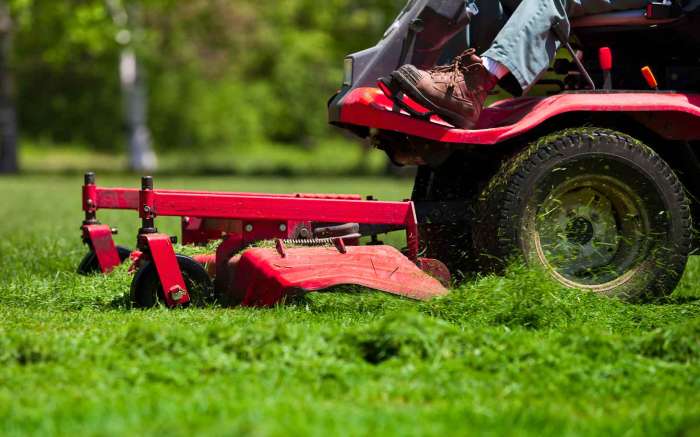
Embark on a journey through the world of yard equipment for landscaping, exploring the must-have tools and expert tips for a spectacular outdoor space.
Discover the key differences between manual and powered equipment, and how they can transform your gardening experience.
YARD EQUIPMENT
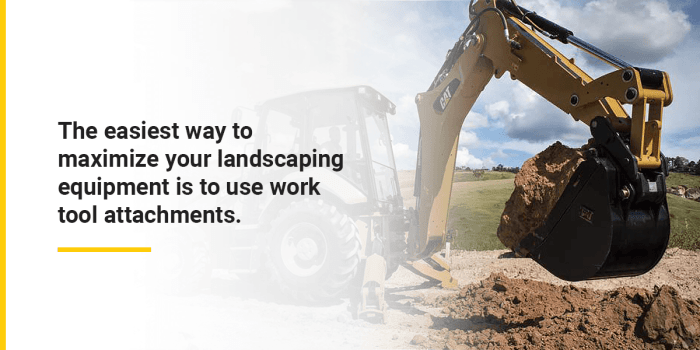
When it comes to landscaping, having the right yard equipment can make all the difference in creating a beautiful outdoor space. From basic hand tools to powerful machinery, each piece of equipment serves a specific purpose in maintaining a garden.
Essential Yard Tools for Landscaping
- Shovel: A versatile tool for digging, planting, and moving soil.
- Rake: Used for gathering leaves, debris, and spreading mulch.
- Pruning Shears: Ideal for trimming bushes, shrubs, and small branches.
- Lawn Mower: Essential for cutting grass to keep your lawn looking neat and tidy.
Different Types of Yard Equipment
- Hedge Trimmers: Perfect for shaping hedges and bushes with precision.
- Leaf Blower: Helps to clear leaves and debris quickly and efficiently.
- Chainsaw: Used for cutting down trees or large branches.
- Edger: Creates clean lines along driveways and sidewalks.
Manual Tools versus Powered Yard Equipment
While manual tools like shovels and rakes require physical effort, they are often more precise and gentle on plants. On the other hand, powered equipment such as lawn mowers and hedge trimmers can save time and energy, especially for larger landscaping projects. The choice between manual and powered equipment ultimately depends on the size of your garden and your personal preferences.
LAWN MOWERS
When it comes to maintaining a beautiful lawn, choosing the right lawn mower is crucial. There are various types of lawn mowers available to suit different yard sizes and landscaping needs.
Types of Lawn Mowers
- Riding Lawn Mower: Ideal for large yards, a riding lawn mower offers comfort and efficiency when mowing expansive areas. It saves time and energy compared to a push mower.
- Push Mower: Best suited for smaller yards, a push mower is great for maneuvering around tight spaces and ensuring precision cutting. It is environmentally friendly and provides a good workout while mowing.
- Self-Propelled Lawn Mower: Combining the convenience of a riding mower with the maneuverability of a push mower, a self-propelled lawn mower is perfect for medium-sized yards.
Benefits of Riding Lawn Mower
- Efficiency: Riding lawn mowers cover larger areas in less time, making them ideal for those with extensive yard space.
- Comfort: Sitting while mowing reduces strain on the body, especially during long mowing sessions.
- Power: Riding mowers are equipped with powerful engines that can tackle tough grass and terrain with ease.
Maintenance Procedures
- Regular Cleaning: Remove grass clippings, dirt, and debris from the mower after each use to prevent clogging and ensure optimal performance.
- Blade Sharpening: Sharpen the mower blades regularly to ensure a clean and precise cut, promoting a healthier lawn.
- Oil Change: Change the engine oil according to the manufacturer’s recommendations to keep the mower running smoothly.
- Air Filter Replacement: Replace the air filter as needed to prevent dust and debris from entering the engine, prolonging its lifespan.
TRIMMERS AND EDGERS
When it comes to maintaining a well-manicured lawn, trimmers and edgers are essential tools that can help you achieve a neat and tidy appearance. While both tools are used for cutting grass and creating clean edges, they serve slightly different purposes in landscaping.Trimmers are designed to cut grass and weeds in hard-to-reach areas, such as around trees, fences, and flower beds.
They are typically lightweight and easy to maneuver, making them ideal for detailing work and maintaining the edges of your lawn. On the other hand, edgers are specifically designed to create crisp and defined edges along sidewalks, driveways, and garden beds. They provide a polished look to your lawn by separating the grass from other surfaces.
Choosing the Right Trimmer or Edger
- Consider the size of your yard: For smaller yards, a lightweight and cordless trimmer may be sufficient. However, for larger yards with thick grass, a more powerful gas-powered trimmer or edger may be necessary.
- Think about the terrain: If you have uneven terrain or slopes in your yard, opt for a trimmer or edger with adjustable handles and a comfortable grip to ensure ease of use.
- Choose between corded or cordless: Corded trimmers provide continuous power but may be limited by the length of the cord. Cordless trimmers offer more mobility but require recharging after extended use.
- Look for additional features: Consider features such as adjustable cutting widths, rotating heads, and telescopic shafts for added convenience and versatility.
Trimming and Edging Techniques
- Start by trimming the edges of your lawn with a trimmer to remove any overgrown grass and weeds.
- Use the edger to create clean and straight lines along sidewalks and driveways for a polished look.
- Remember to wear protective gear such as goggles and gloves while operating trimmers and edgers to avoid injuries.
- Regularly maintain and clean your trimmer or edger to ensure optimal performance and longevity.
LEAF BLOWERS
Leaf blowers are essential tools for yard cleanup, especially during the fall season when leaves cover the ground. They help to quickly and efficiently clear leaves, grass clippings, and other debris from the lawn, driveway, and walkways.
Types of Leaf Blowers
- Gas-Powered Leaf Blowers: These leaf blowers are powerful and suitable for larger yards. They provide more blowing force, making them ideal for heavy-duty tasks.
- Cordless Electric Leaf Blowers: Cordless leaf blowers are convenient and easy to use. They are lightweight, quieter, and eco-friendly compared to gas-powered blowers.
- Backpack Leaf Blowers: Backpack leaf blowers are designed for extended use with comfortable straps for easy carrying. They are often favored by professionals for their power and efficiency.
Benefits of Cordless Leaf Blowers
- Cordless leaf blowers are more environmentally friendly since they do not emit harmful fumes like gas-powered blowers.
- They are quieter, making them ideal for residential areas where noise pollution may be a concern.
- Cordless leaf blowers are lightweight and easier to maneuver, reducing strain on the user’s arms and back during operation.
- There is no need to worry about cords or fuel, providing more freedom of movement and convenience during yard work.
Safety Precautions and Best Practices
- Always wear ear protection, eye protection, and a dust mask when operating a leaf blower to protect yourself from noise, debris, and dust.
- Avoid pointing the leaf blower at people, pets, or windows to prevent injury or damage.
- Be mindful of rocks, branches, or other debris that may be blown by the leaf blower, causing potential hazards.
- Operate the leaf blower at lower speeds when working near flower beds, gardens, or delicate plants to avoid damaging them.
- Regularly inspect and maintain your leaf blower to ensure it is in good working condition and safe to use.
HEDGE TRIMMERS
When it comes to maintaining a beautifully manicured garden, hedge trimmers are essential tools for shaping bushes and shrubs with precision. Whether you opt for an electric hedge trimmer or a gas-powered one, each type has its own set of features and benefits to consider.
Electric Hedge Trimmers vs. Gas-Powered Hedge Trimmers
- Electric Hedge Trimmers:
- Lightweight and easy to maneuver, ideal for smaller yards.
- Environmentally friendly with zero emissions.
- Require less maintenance compared to gas-powered trimmers.
- Quieter operation for a more peaceful gardening experience.
- Gas-Powered Hedge Trimmers:
- Offer more power and cutting capacity, suitable for larger, tougher hedges.
- No cords to restrict movement, allowing for greater mobility.
- Longer run time compared to electric trimmers, perfect for extended use.
- Generally more durable and can handle heavy-duty tasks.
Maintaining Sharp Blades and Proper Usage
- Regularly inspect and sharpen the blades to ensure clean cuts and prevent damage to the plants.
- Keep the trimmer clean and free from debris to maintain optimal performance.
- Follow the manufacturer’s instructions for proper operation and safety guidelines.
- Avoid cutting branches that are too thick for the trimmer to handle to prevent strain and damage.
End of Discussion
Unleash your creativity and transform your yard with the right equipment, armed with the knowledge of maintenance and best practices shared in this guide.
Question & Answer Hub
What are the benefits of using powered yard equipment over manual tools?
Powered yard equipment offers efficiency and ease of use, making landscaping tasks quicker and less strenuous.
How do I choose the right lawn mower for my yard size?
Consider the size of your yard and terrain – larger yards may benefit from riding mowers, while smaller ones can make do with push mowers.
Are cordless leaf blowers better than gas-powered ones?
Cordless leaf blowers are more eco-friendly and quieter, but gas-powered ones tend to offer more power for heavy-duty tasks.
What is the difference between trimmers and edgers?
Trimmers are versatile for cutting grass and weeds, while edgers create clean lines along driveways and sidewalks.
How can I maintain the sharpness of hedge trimmers?
Regularly clean and lubricate the blades, and store them properly to prevent rust and dullness.


